Chestnuts Park wedding flowers guide for West Green couples
Posted on 05/11/2026
Planning wedding flowers around Chestnuts Park can feel wonderfully exciting and mildly overwhelming at the same time. One minute you are picturing a soft bridal bouquet in the morning light, the next you are wondering what actually works in a London setting, what fits the venue, and how to keep the look elegant without overspending. This Chestnuts Park wedding flowers guide for West Green couples is here to make that easier.
Whether you are just starting to gather ideas or you already know you want roses, lilies, or a modern mixed arrangement, the goal is the same: flowers that suit your day, your budget, and the feel of West Green itself. Let's make it practical, beautiful, and properly useful.
Along the way, you will find planning steps, style comparisons, common mistakes to avoid, and a realistic checklist you can actually use. No fluff. Just the stuff that helps.
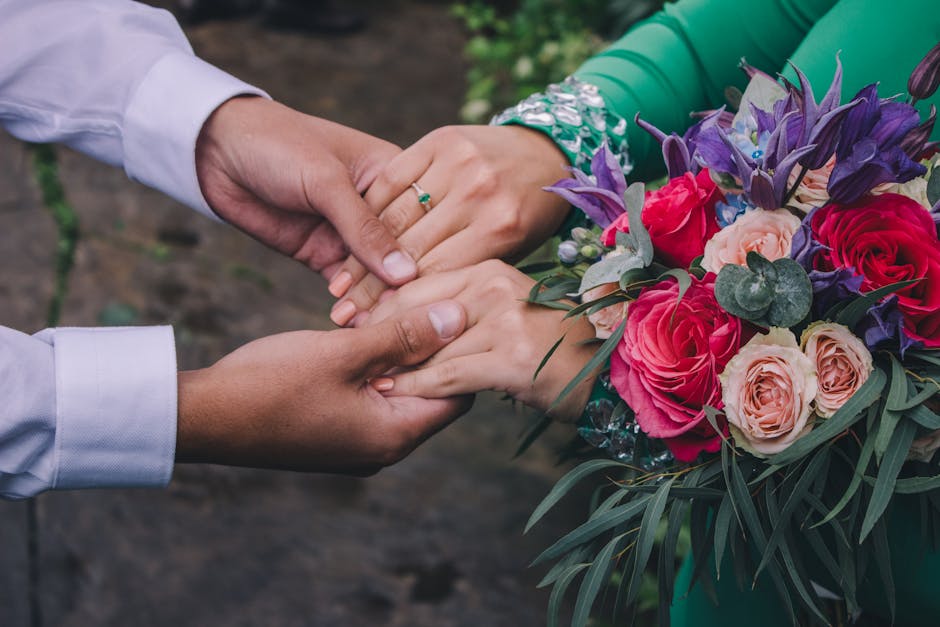
Table of Contents
- Why Chestnuts Park wedding flowers guide for West Green couples Matters
- How Chestnuts Park wedding flowers guide for West Green couples Works
- Key Benefits and Practical Advantages
- Who This Is For and When It Makes Sense
- Step-by-Step Guidance
- Expert Tips for Better Results
- Common Mistakes to Avoid
- Tools, Resources and Recommendations
- Law, Compliance, Standards, or Best Practice
- Options, Methods, or Comparison Table
- Case Study or Real-World Example
- Practical Checklist
- Conclusion
- Frequently Asked Questions
Why Chestnuts Park wedding flowers guide for West Green couples Matters
Flowers do more than decorate a wedding. They shape the mood of the day. In a place like Chestnuts Park, where the setting can feel natural, local, and quietly romantic, your flowers need to do a few jobs at once: frame photographs, work with the season, suit the couple, and feel at home in the space.
That matters especially for West Green couples because local weddings often mix practicality with personal style. You may be planning a ceremony with a short turnaround, coordinating transport around North London, or trying to keep everything elegant without going overboard. A thoughtful flower plan stops the day from feeling pieced together at the last minute.
There is also something else people sometimes miss. Wedding flowers are visual, yes, but they are also emotional. A bouquet or table arrangement can carry the whole tone of the celebration. A pale rose palette feels different from vibrant mixed blooms. A neat buttonhole says something different from a loose garden-style stem arrangement. Small choices, big effect.
To be fair, not every couple needs an elaborate floral story. Some want a very clean, minimal look. Others want abundance. Both can work beautifully at Chestnuts Park. The real question is: what suits your day without fighting the space?
How Chestnuts Park wedding flowers guide for West Green couples Works
The simplest way to think about wedding flowers is this: choose the pieces you need first, then build the style around them. Most couples start with the bridal bouquet, then add bridesmaid bouquets, buttonholes, table arrangements, and any special ceremony or reception flowers.
For West Green couples, the process usually works best in a few stages:
- Set the mood. Decide whether you want classic, romantic, contemporary, seasonal, or a more relaxed garden look.
- Choose the focal flowers. Roses, lilies, orchids, lisianthus, and mixed seasonal stems all give a different feel.
- Match the ceremony space. A floral arch, aisle pieces, or simple hand-tied arrangements can completely change the atmosphere.
- Plan the supporting details. Bridesmaid bouquets, buttonholes, corsages, and table flowers tie everything together.
- Check timing and delivery. Fresh wedding flowers are usually best when coordinated carefully for the day itself.
In practice, that means a florist can design around your colour palette, dress style, venue scale, and budget. For example, a small intimate wedding may only need a bridal bouquet, a few buttonholes, and one or two table centrepieces. A larger reception may call for coordinated pieces from ceremony to dinner tables.
If you are still narrowing down the style, it can help to browse the broader wedding collection first and then choose the detailed pieces that match your plan.
Key Benefits and Practical Advantages
Good wedding flowers do more than look pretty in the corner of a room. They solve practical problems too. Here are the big benefits West Green couples usually care about most.
- They unify the day. Flowers can connect the dress, suits, stationery, tableware, and venue styling into one coherent look.
- They improve photos. Fresh colour and shape bring warmth and depth to portraits, group shots, and table images.
- They help define the setting. A modest room can feel more intentional with the right floral design. A park-side celebration can feel softer and more romantic.
- They support the season. Seasonal choices often look more natural and can be easier to source in a sensible way.
- They let you express personality. Some couples want classic white roses. Others want colour, texture, and a bit of drama. Both are valid, obviously.
There is also a budget benefit that people often overlook. A smaller number of well-chosen arrangements can look more expensive than a lot of random pieces. One really well-made bouquet can carry the whole visual identity, especially if the colours are consistent.
If you want a romantic, traditional finish, roses remain a strong option. If you want texture and movement, mixed flowers can feel fresher and less formal. And if you are drawn to something understated, white and green palettes are still a classic for good reason.
Many couples also like to pair wedding flowers with a thoughtful gift or keepsake for the day. For nearby celebrations, the wedding gifts selection can be a nice extra touch without becoming a distraction from the main floral design.
Who This Is For and When It Makes Sense
This guide is especially useful if you are a West Green couple planning one of the following:
- a small local ceremony with a simple floral plan
- a fuller wedding day with bouquets, buttonholes, and table flowers
- a budget-conscious wedding where every purchase needs to count
- a style-led celebration where flowers are part of the overall look
- a last-minute or short-notice wedding that still needs to feel polished
It is also useful if you are not sure whether to go traditional or modern. That's a common crossroads. Some couples start thinking they want dramatic colours, then realise they actually love a soft ivory-and-green palette. Others begin with classic white blooms and end up choosing something richer once they see the venue and outfits together.
As a rough rule, if you are asking questions like "What flowers work in a small space?" or "How many arrangements do we really need?", this article is for you. If you already know your exact floral scheme, you may still find the practical section helpful for avoiding timing issues and over-ordering.
Truth be told, weddings are full of little decisions. Flowers are just one part, but they are one of the few parts everyone actually sees up close.
Step-by-Step Guidance
Here is a straightforward way to plan your Chestnuts Park wedding flowers without losing your mind. Not a bad idea, really.
1. Start with the venue mood
Think about the scale and tone of the space. Chestnuts Park, or a nearby ceremony and reception setting, may call for arrangements that feel airy and natural rather than overly formal. Ask yourself whether the environment suits soft pastels, clean whites, or stronger colour.
2. Choose a core colour story
Pick two or three main colours and one supporting accent. For example:
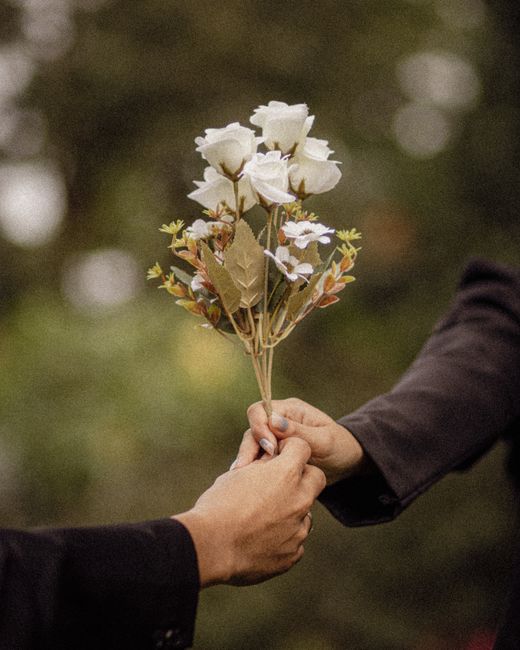
- white, green, and a touch of blush
- ivory, soft pink, and peach
- red, white, and green for a bolder romantic look
- purple, lilac, and white for something richer and more atmospheric
If you are unsure, start with the dress and bridesmaid outfits. They usually tell you more than you expect.
3. Build the bouquet first
The bridal bouquet sets the tone. A compact rose bouquet feels timeless. A looser mixed bouquet feels more relaxed and organic. If you are using a strong floral variety in the bouquet, you can echo it in the buttonholes and table pieces so the whole day feels intentional.
For a focused bridal style, browse options such as the white and elegant bridal bouquet or the romantic bridal bouquet if you want something softer and more expressive.
4. Add the supporting flowers
Buttonholes, bridesmaid bouquets, and table arrangements should support the bridal bouquet rather than compete with it. That sounds obvious, but it is where many wedding flower plans go a bit sideways. Keep the style consistent. The supporting flowers should feel related, not copied.
You might pair the main bouquet with buttonholes and a coordinated bridesmaid bouquet. For reception styling, a table arrangement can carry the same palette into the meal or evening party.
5. Decide how formal or relaxed you want it to feel
A tight, structured design reads differently from a loose, hand-tied look. Structured arrangements suit formal weddings and sharp tailoring. More open arrangements suit relaxed dresses, garden-style celebrations, and natural light. Neither is better. It is just about fit.
6. Confirm delivery timing and handling
Wedding flowers need to arrive in good condition and at the right time. That means clear delivery instructions, sensible storage before use, and a plan for transport if the ceremony and reception are in different places. If the day is in summer, timing matters even more. Flowers left too long in warm rooms can wilt sooner than you would like. Little details, big consequences.
If you want to understand the florist's process for local orders, the delivery information page is a sensible place to check before you confirm anything.
Expert Tips for Better Results
After plenty of weddings, a few patterns keep showing up. These are the practical tips that tend to make a difference.
- Choose flowers that suit the season. Seasonal flowers often look fresher and more natural. They also tend to be easier to coordinate.
- Keep one hero flower. If you love roses, let roses lead. If you love orchids, let them lead. A strong focal flower makes the whole design easier to read.
- Think in levels. Use a mix of large, medium, and small arrangements so the room does not feel flat.
- Match stems to fabric textures. Satin, lace, tulle, and linen all interact differently with floral shape. It's a small thing, but it shows in photos.
- Use scent carefully. Strongly scented flowers can be beautiful, but they can also overwhelm a small indoor room. Balance matters.
- Ask for a sample mood rather than a blind promise. If you can see examples or product styles first, decisions get easier fast.
One quiet tip that helps a lot: when in doubt, simplify the palette before you simplify the flowers. A well-edited colour scheme makes mixed flowers look deliberate instead of busy. That's the trick, really.
If you are leaning toward a premium look, consider arrangements from the luxury flowers range, then scale down the rest of the styling so the whole wedding still feels balanced.
Common Mistakes to Avoid
Wedding flowers can go wrong in a few very ordinary ways. Luckily, these are easy enough to avoid once you know them.
Ordering too many different styles
When every arrangement looks different, the whole wedding can feel visually noisy. One bouquet style, one support style, one table style is often enough.
Ignoring the size of the space
Oversized arrangements can crowd a small venue. Tiny arrangements can disappear in a larger room. The balance has to work in the actual space, not just on a mood board.
Forgetting the practical handling
Some flowers are more delicate than others. If your arrangements need to travel between locations or wait in a warm room, plan for that early.
Choosing flowers only by photo
Photos are useful, but they can be deceptive. Lighting changes everything. A bloom that looks soft pink online may read much more cream in person. That is just how flowers behave.
Leaving buttonholes and bridesmaid flowers as an afterthought
These smaller pieces matter more than people expect. They show in close-up pictures and help the whole wedding feel coordinated.
And yes, one more thing. Don't leave everything to the last week and hope for the best. Hope is lovely. It is not a floral plan.
Tools, Resources and Recommendations
You do not need a complicated toolkit to plan well. A few simple resources are enough.
- Colour reference photos. Save examples of bouquets, centrepieces, and buttonholes you genuinely like.
- Outfit photos. Share images of the dress, suits, bridesmaid dresses, or any key accessories.
- Venue notes. Measure the table sizes if you can, and note the lighting, room size, and any focal points.
- Seasonal preference list. Write down what you like in spring, summer, autumn, or winter so decisions are easier later.
- Delivery and care plan. Keep a simple written plan for who receives the flowers, where they go, and when they are placed.
If you are comparing flowers by category, the bridal bouquet collection, bridesmaid bouquets, and corsages pages can help you see how the pieces sit together. It is easier to judge style when the options are laid out side by side.
For general freshness and post-delivery handling, the flower care guide is useful reading. Wedding flowers are one of those things where five minutes of care can save a lot of stress later on.
Law, Compliance, Standards, or Best Practice
For wedding flowers, the main compliance issues are usually practical rather than heavily regulated. That said, there are still a few best-practice points worth keeping in mind.
- Delivery accuracy matters. Make sure names, dates, times, and locations are checked carefully so flowers arrive when and where they should.
- Access and handling should be clear. If the venue has a reception desk, loading restrictions, or limited access, pass that on in advance.
- Accessibility matters. If anyone in the wedding party has mobility needs, avoid placing arrangements where they block movement or create a trip hazard.
- Care and storage instructions should be followed. Fresh flowers last better when they are kept cool, hydrated, and out of direct heat where possible.
- Refund, replacement, and guarantee terms should be understood. For time-sensitive wedding orders, reading the florist's policies before you buy is sensible, not overcautious.
If you want reassurance on service expectations, order terms, and what happens if something needs attention, the terms and conditions, returns and refund, and guarantees pages are the places to review. That's the boring bit, yes, but it protects the happy bit.
There is also a broader best-practice point here: communicate early. Wedding floristry works best when the brief is clear, the timing is realistic, and the final plan is confirmed before the day becomes a whirlwind.
Options, Methods, or Comparison Table
Different floral approaches suit different couples. If you are stuck between styles, this comparison can help.
| Option | Best for | Look and feel | Practical note |
|---|---|---|---|
| Classic roses | Timeless, elegant weddings | Soft, romantic, structured | Easy to coordinate across bouquets and buttonholes |
| Mixed seasonal flowers | Relaxed or garden-style celebrations | Natural, textured, layered | Gives flexibility if you want a looser design |
| White and green palette | Minimal, modern, refined weddings | Clean and calm | Works well in small or contemporary spaces |
| Bold colour story | Couples who want personality | Bright, lively, memorable | Needs careful balancing so it does not feel crowded |
| Luxury statement pieces | Large, style-led weddings | Rich, dramatic, premium | Best used with fewer but stronger focal arrangements |
If you are trying to keep costs sensible, a simple bouquet plus a few key coordinating flowers can often be enough. If you want a fuller event look, you can build up from there. Neither route is wrong. The best choice is the one that fits your actual day, not the imaginary version in your head.
Case Study or Real-World Example
Here is a realistic example based on the sort of brief many West Green couples bring in.
A couple planning a small wedding near Chestnuts Park wanted something elegant but not too formal. They liked white flowers, but they did not want the whole day to feel plain. The bride chose a white bouquet with soft texture, the bridesmaids carried lighter matching arrangements, and the groom wore a simple coordinated buttonhole. Table arrangements were kept low and restrained so guests could chat comfortably during the meal.
What worked well? The scheme had a clear colour story, the flowers matched the venue scale, and there was enough consistency for the photos to feel polished. What could have gone wrong? If they had added too many colours or oversized arrangements, the look would have felt busy very quickly.
That kind of plan is a good reminder that wedding floristry is not about using the most flowers. It is about using the right flowers in the right places. Small difference, huge effect.
In similar weddings, couples often like to pair a bridal bouquet such as a coordinated bridal bouquet with matching bridesmaid flowers like a coordinating bridesmaid bouquet. The result feels intentional without being overdone.
Practical Checklist
Use this checklist when you are finalising your flower plan. A quick run-through can save a lot of back-and-forth later.
- Theme chosen: classic, romantic, modern, seasonal, or relaxed
- Main colour palette: decided and shared clearly
- Bridal bouquet: selected
- Bridesmaid bouquets: selected if needed
- Buttonholes or corsages: counted and planned
- Table flowers: sized to the venue
- Delivery details: date, time, address, and contact person confirmed
- Storage plan: cool space arranged for arrival
- Venue access: instructions passed on
- Style references: photos or examples shared
- Budget range: agreed before ordering
- Backup details: contact numbers checked
If you can tick those off, you are in very good shape. Not perfect, perhaps, but properly organised. And that's usually enough to keep the day running smoothly.
Conclusion
Chestnuts Park wedding flowers for West Green couples work best when they are chosen with the venue, season, and overall feel of the day in mind. Start with the bouquet, build around the colour palette, and keep the design consistent across the smaller details. That approach gives you more style for less stress, which is usually the win people are after.
Most couples do not need a complicated floral plan. They need a clear one. Once you know the mood you want, the rest becomes much easier to shape. A thoughtful bouquet, a few matching details, and flowers that feel right in the space can carry a wedding beautifully. Honestly, that's often enough.
Get a free quote today and see how much you can save.
And if you are still deciding, that is completely fine. The best flower plans usually come together one careful choice at a time.
Frequently Asked Questions
What flowers work best for a Chestnuts Park wedding?
Roses, lilies, orchids, lisianthus, and mixed seasonal flowers all work well depending on the look you want. For a classic style, roses are hard to beat. For something softer and more natural, mixed seasonal flowers can be lovely.
How far in advance should West Green couples book wedding flowers?
The earlier the better, especially for peak wedding months. Booking in advance gives you more choice over styles, colours, and delivery timing. If your date is near, it is still worth asking, because availability can sometimes be more flexible than expected.
Can I keep wedding flowers simple and still make them look elegant?
Absolutely. A simple bridal bouquet, a few buttonholes, and well-chosen table arrangements can look very refined. Elegance usually comes from consistency and proportion, not from quantity.
How do I choose the right colour palette?
Start with your dress, suits, and venue style. Then choose two or three main colours that feel balanced together. If you are unsure, white, green, and blush is a very safe starting point.
What if my wedding is small and I do not need many flowers?
That is perfectly fine. Many intimate weddings only need a bouquet, a couple of buttonholes, and a few focal arrangements. Small weddings can look especially beautiful when the flowers are chosen carefully.
Are mixed flowers better than roses for wedding bouquets?
Not better, just different. Roses feel timeless and structured. Mixed flowers feel more relaxed and textured. The right choice depends on your dress, venue, and the mood you want for the day.
Do I need bridesmaid bouquets and corsages as well?
Only if they fit your plan. They help create a coordinated look, but they are not mandatory. Some couples prefer to keep the styling minimal and focus on the bridal bouquet plus buttonholes.
How do I make sure my flowers match the venue?
Think about the size of the room, the lighting, and the table layout. Large arrangements suit bigger spaces, while smaller or lower pieces work better where people will be seated close together. The venue should guide the scale.
What should I ask a florist before ordering?
Ask about timing, delivery, flower care, style options, and what happens if something changes. It is also sensible to ask what is in season and whether your preferred flowers suit your chosen date.
Can wedding flowers be delivered fresh on the day?
Yes, that is normal for wedding floristry. Fresh delivery on or close to the wedding day helps flowers look their best. The key is to confirm the exact timing and who will receive them.
How do I avoid overspending on wedding flowers?
Focus your budget on the most visible pieces first: the bridal bouquet, key support flowers, and one or two strong focal arrangements. Keeping the palette simple also helps. A few strong choices often look better than a long list of small extras.
What is the best flower style for photos?
There is no single best style, but bouquets with some shape, texture, and depth usually photograph well. Soft white and green schemes are popular because they look clean, while richer colours can add warmth and drama. It depends on the light and the setting.
Is it okay to use seasonal flowers only?
Yes, and in many cases it is a very sensible choice. Seasonal flowers often feel natural and coherent, and they can make the whole arrangement feel more grounded in the time of year. That can be a real strength, not a limitation.
If you are planning your day around Chestnuts Park and want flowers that feel local, polished, and genuinely personal, start with the essentials and build from there. That is usually where the best weddings begin.